

Elle est super. Un parfum qui se diffuse même sans qu’elle soit allumée. Une odeur très douce sans être écoeurante. Et aucun stresse car compo naturel.
J’ai toujours apprécié les bougies de cette boutique et j’ai hâte d’aller en racheter!!
Merci beaucoup Alexia ! Je suis ravie que la Honey Blossom vous plaise, c'est aussi une de mes préférées. Merci pour votre fidélité, et à bientôt pour votre prochaine commande.
Anna
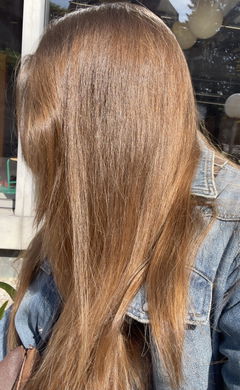
Le combo shampooing et conditionner sont incroyables. Fini le cuir chevelu irrité et les pellicules. Mes cheveux a tendance gras aux racines et secs sur les longueurs restent doux, souples et propres plus longtemps. J'ai les cheveux gris et il nourrit très bien mes longueurs sèches.
Bonjour Sofia, un grand merci pour ce joli retour ! Vraiment contente que le duo fonctionne aussi bien sur votre cuir chevelu et vos longueurs, c'est souvent le vrai défi avec les cheveux mixtes. Plein de bises, Anna
Une énorme découverte ! Sans doute la meilleure huile à lèvres que j'ai testée! Cette marque est une très jolie découverte !
Merci beaucoup pour ce retour ! Tellement contente que l'huile à lèvres vous plaise autant, c'est vraiment un des petits bijoux de la boutique. Belle découverte de la marque aussi ! Plein de bises, Anna
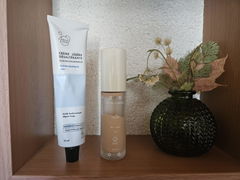
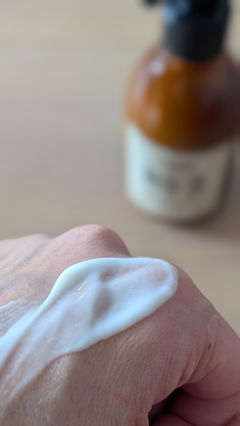
Je découvre cette marque qui vaut le détour. Une compo impeccable, elle hydrate beaucoup sans laisser le moindre gras. Le meilleur de la botanique finalement sans huiles essentielles. Le produit est cher mais dure longtemps il en faut peu. Parfaite base de maquillage en plus.
Quel beau retour, merci beaucoup ! C'est exactement ce que j'aime dans cette formule : une compo impeccable, efficace, sans huiles essentielles pour respecter les peaux sensibles. Et vous avez raison, on en utilise très peu à chaque fois, ça relativise complètement le prix.
Anna
Ce contour des yeux est fabuleux, il hydrate très bien, lisse les ridules et atténue mes cernes. J'ai un contour sensible et il n'irrite absolument pas. On peut se maquiller ensuite et le petit plus, je mets quasi plus d'anti cernes !
Ah Sofia, ça fait tellement plaisir de lire ça ! Trop contente qu'il fonctionne aussi bien sur vous, hydratation, ridules, cernes, et sans irriter le contour sensible, c'est vraiment un petit bijou. Et pouvoir mettre moins d'anti-cernes après, c'est toujours un bon signe ! Plein de bises, Anna